Fathead Minnows
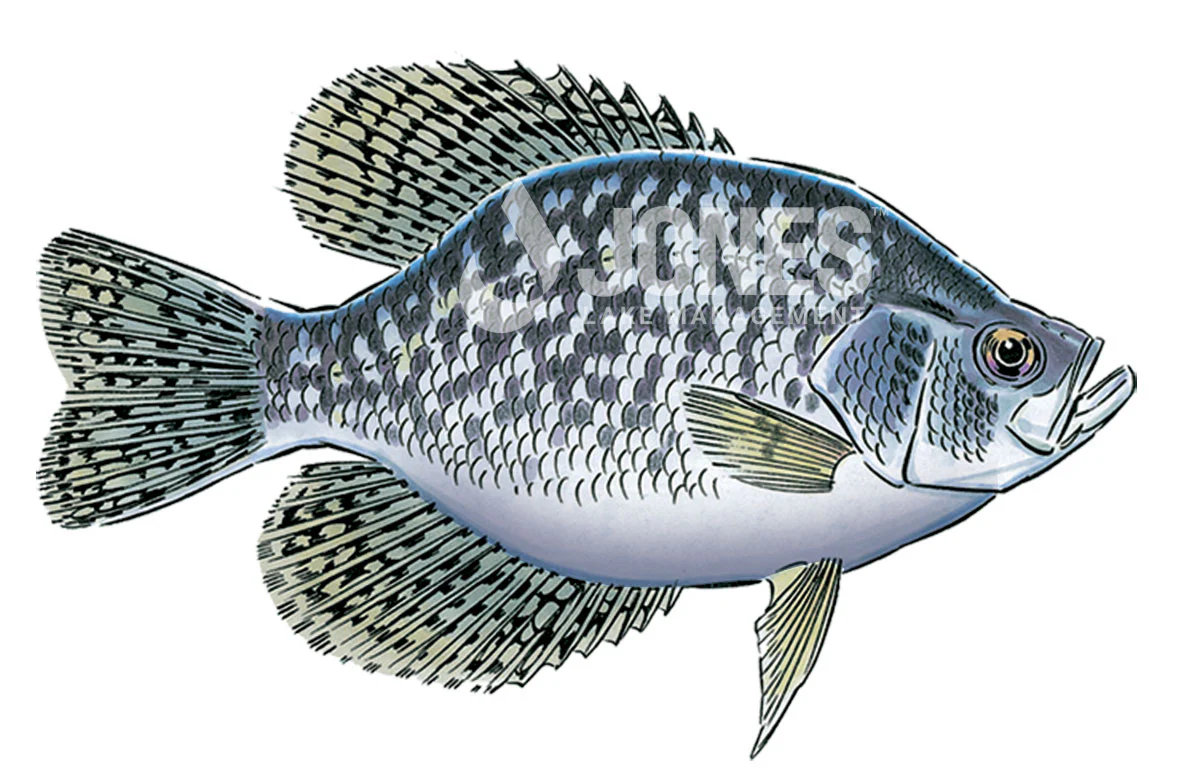
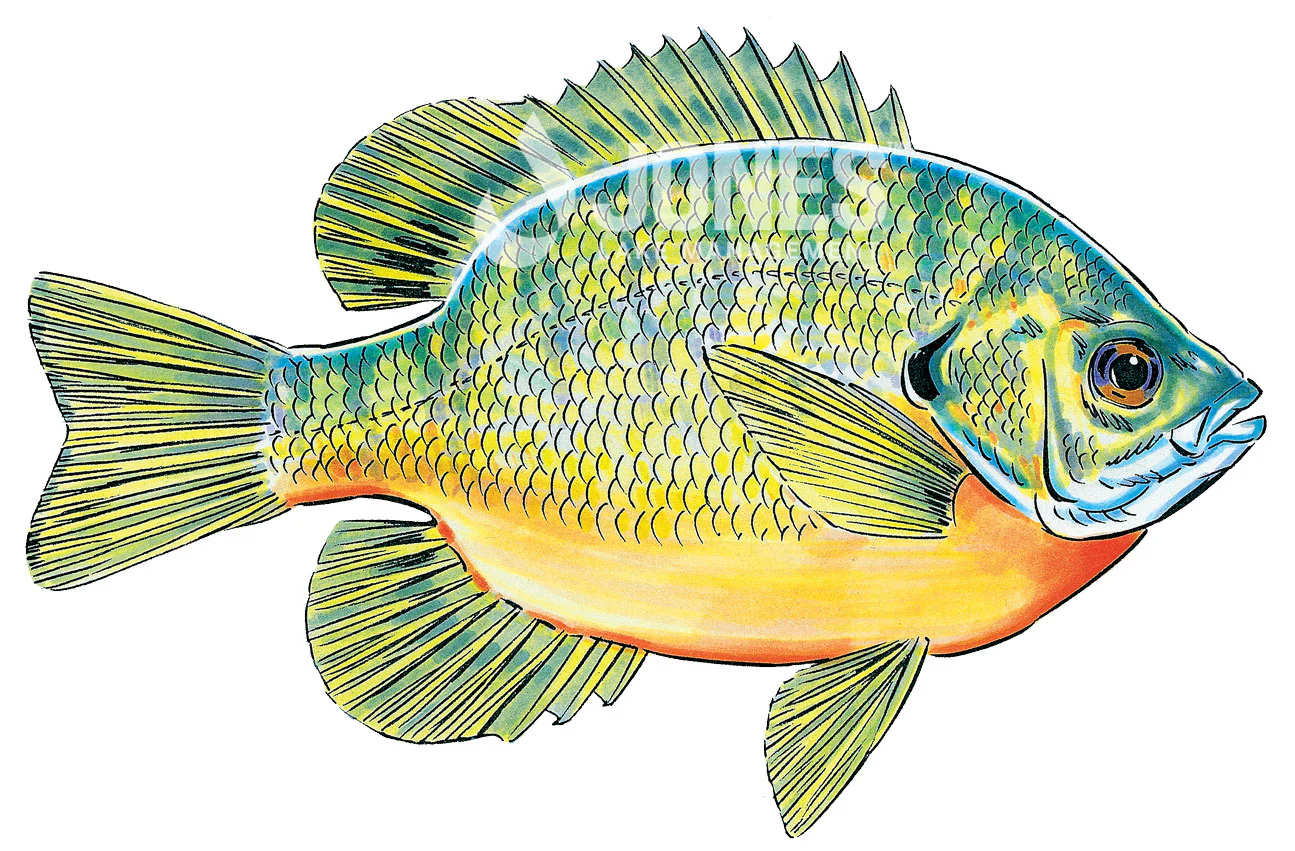
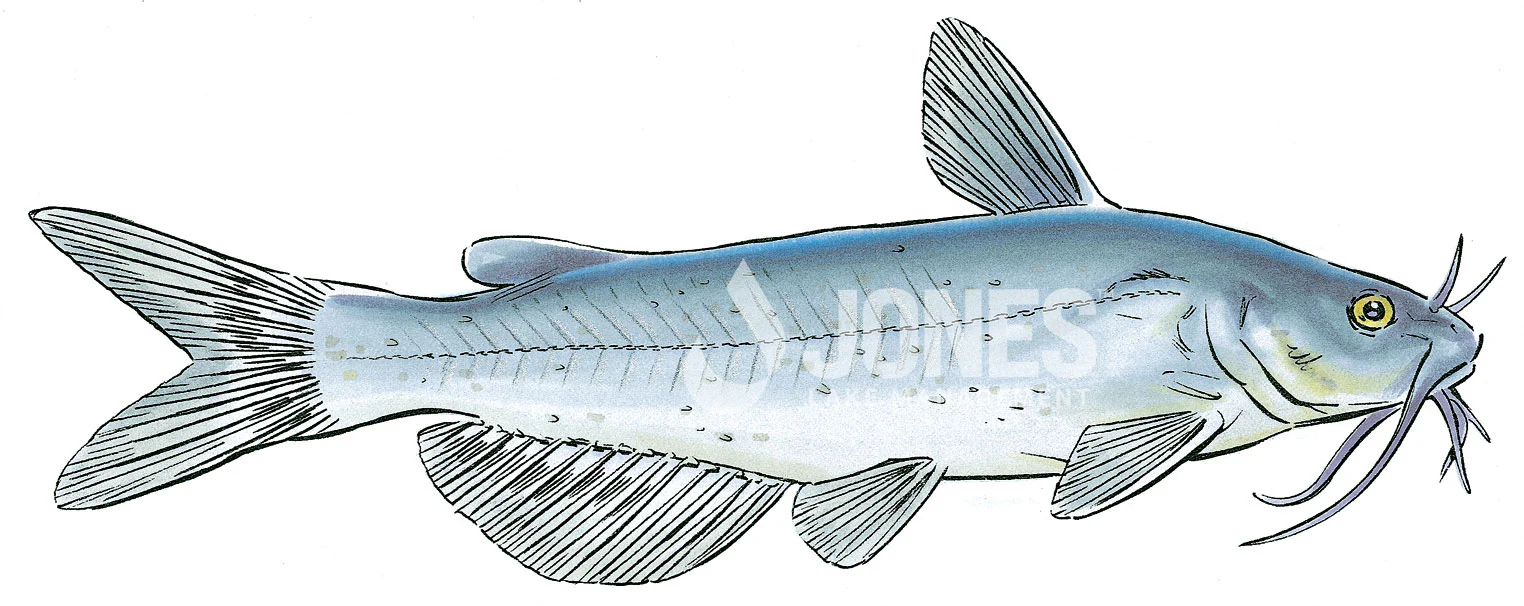
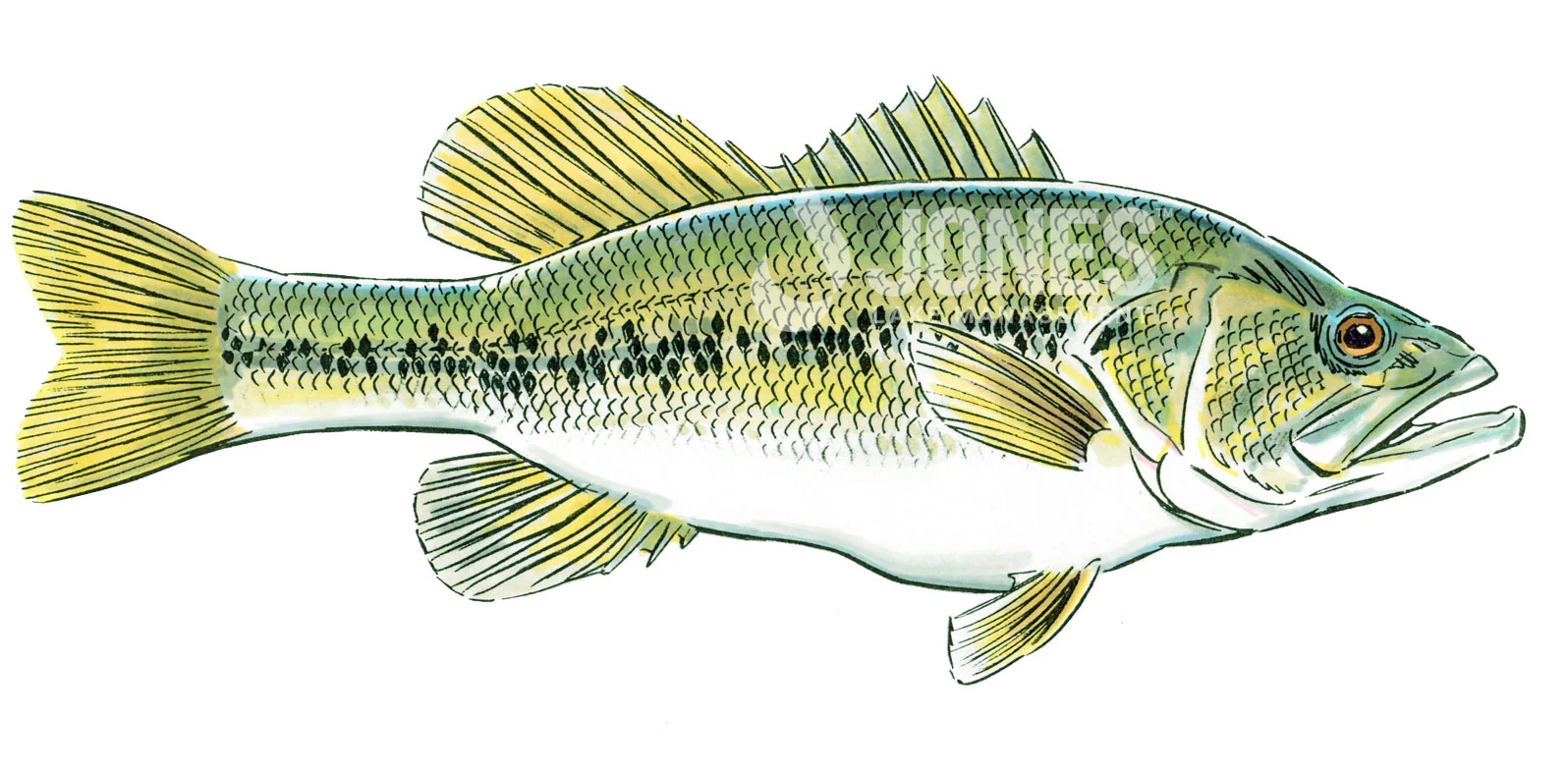
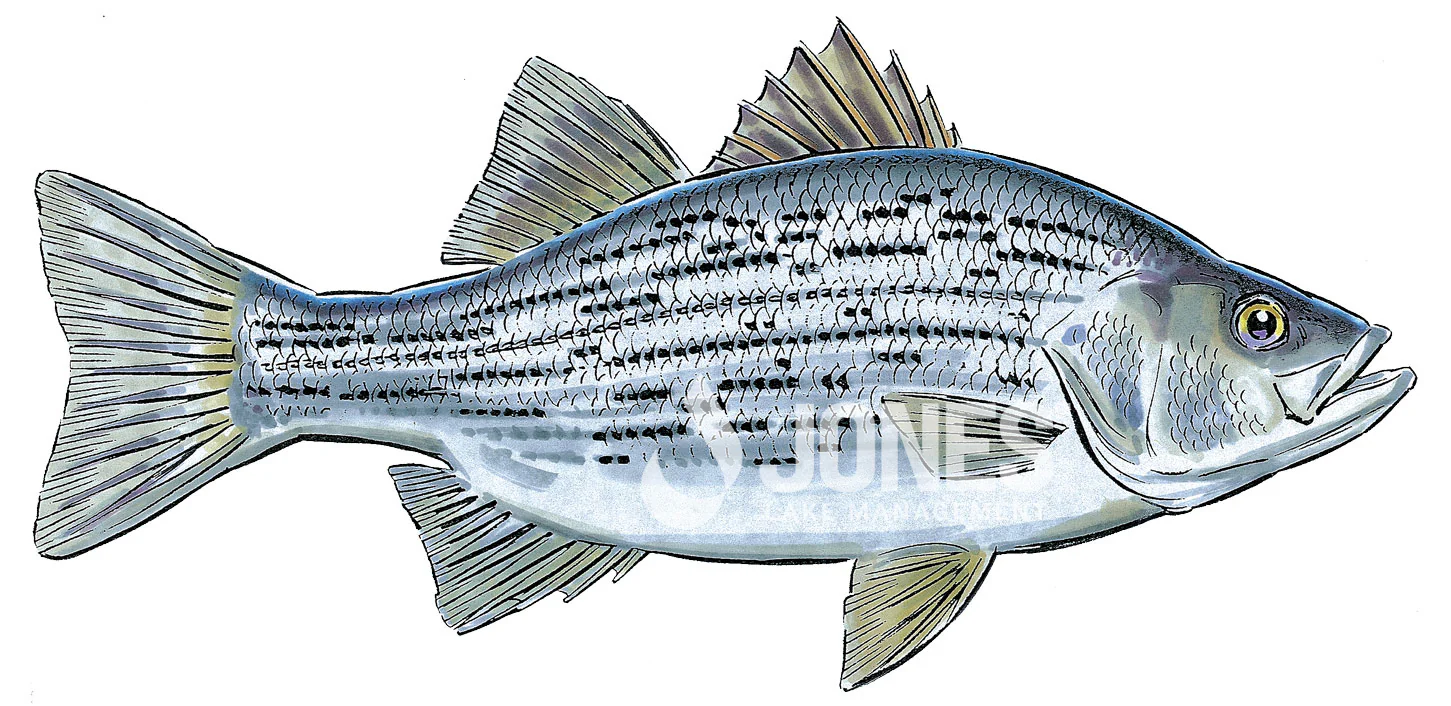
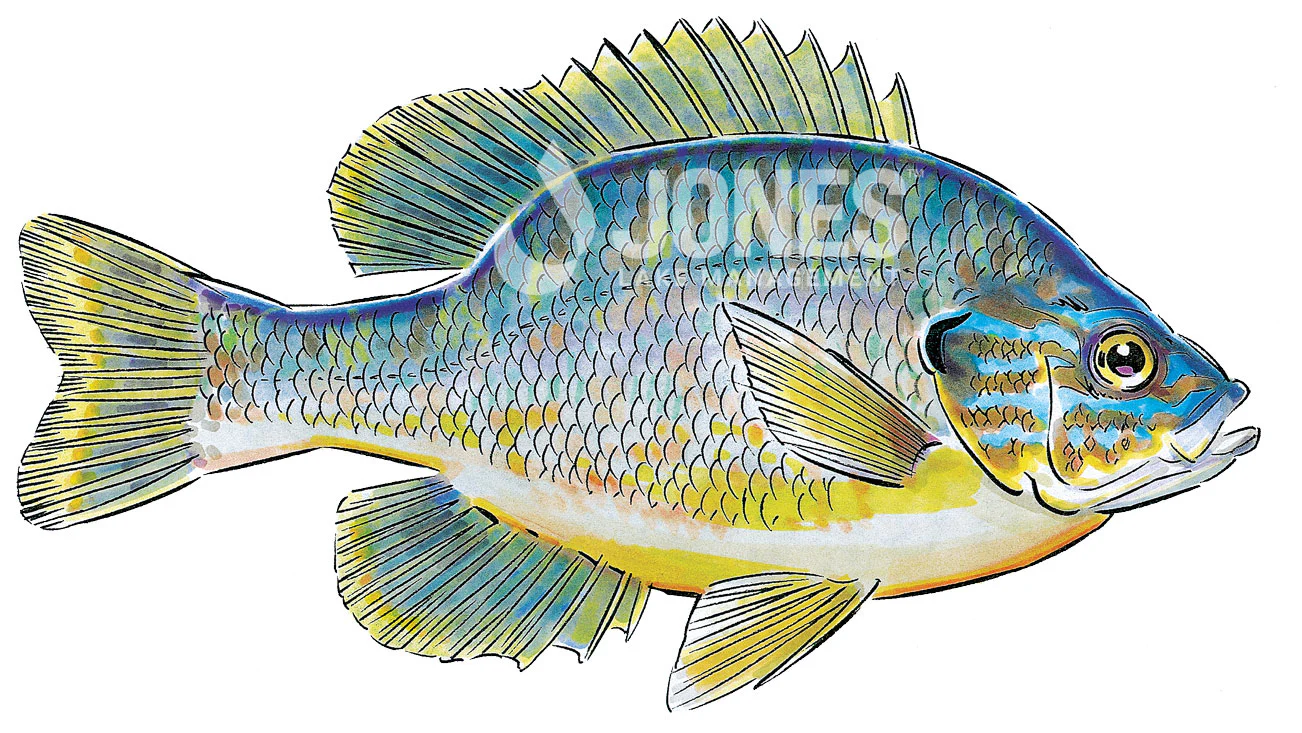
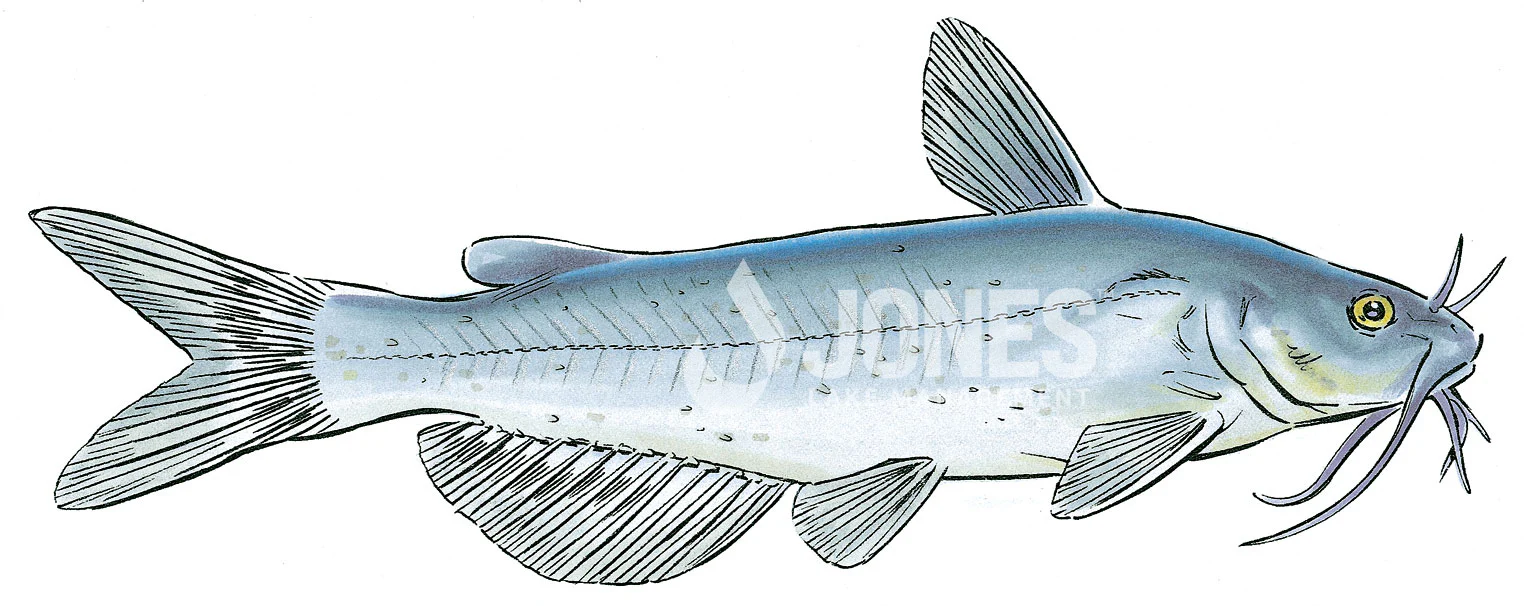
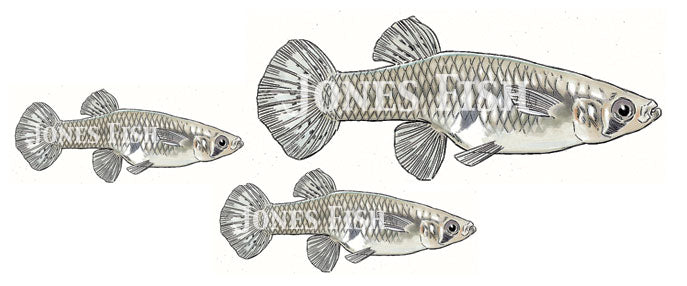
FATHEAD MINNOWS (Pimephales promelas) play an important role in supporting the larger fish you love to catch, like largemouth bass, black crappie and channel catfish. They provide a reliable food source, helping your predators grow faster and alleviating pressure on the bluegill population. Increased food availability reduces competition and can lead to faster growth rates for predators.
ALIAS: Tuffy, blackhead minnow, minner
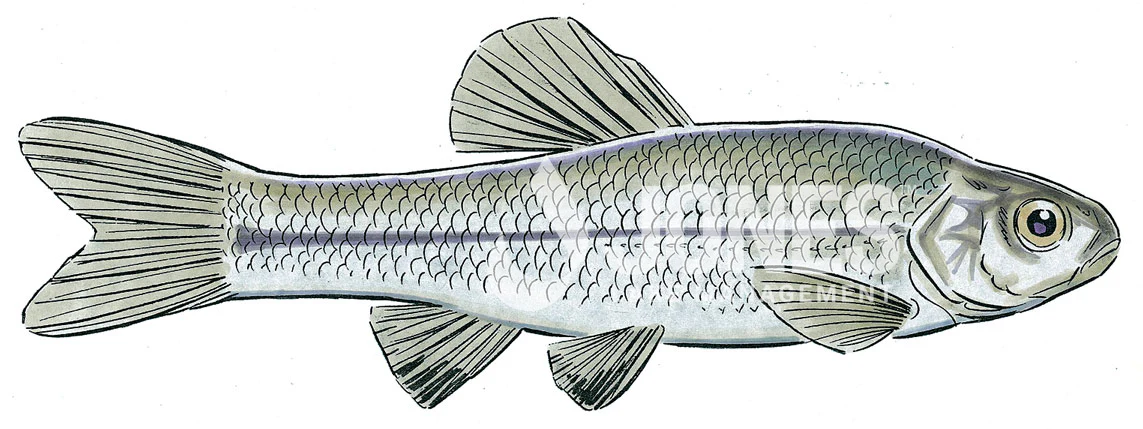
IDENTIFICATION: A small mouth, black midline running the length of the body and spot on the dorsal fin are indicative of the fathead minnow.
DIET: Zooplankton and phytoplankton.
SPAWNING: As fractional spawners, fathead minnows spawn throughout the spring and summer once water temperatures reach 64°F. Females spawn multiple times between spring and fall. Their reproductive rate makes them an excellent stocking choice.
TIPS: A twice per year supplemental stocking is recommended.
 40+ lbs. per acre stocking rate is recommended.
Original: $23.49
-65%$23.49
$8.22Product Information
Product Information
Shipping & Returns
Shipping & Returns
Description
FATHEAD MINNOWS (Pimephales promelas) play an important role in supporting the larger fish you love to catch, like largemouth bass, black crappie and channel catfish. They provide a reliable food source, helping your predators grow faster and alleviating pressure on the bluegill population. Increased food availability reduces competition and can lead to faster growth rates for predators.
ALIAS: Tuffy, blackhead minnow, minner
IDENTIFICATION: A small mouth, black midline running the length of the body and spot on the dorsal fin are indicative of the fathead minnow.
DIET: Zooplankton and phytoplankton.
SPAWNING: As fractional spawners, fathead minnows spawn throughout the spring and summer once water temperatures reach 64°F. Females spawn multiple times between spring and fall. Their reproductive rate makes them an excellent stocking choice.
TIPS: A twice per year supplemental stocking is recommended.
40+ lbs. per acre stocking rate is recommended.